Hai davvero fame… o stai cercando sollievo?
Mar 09, 2026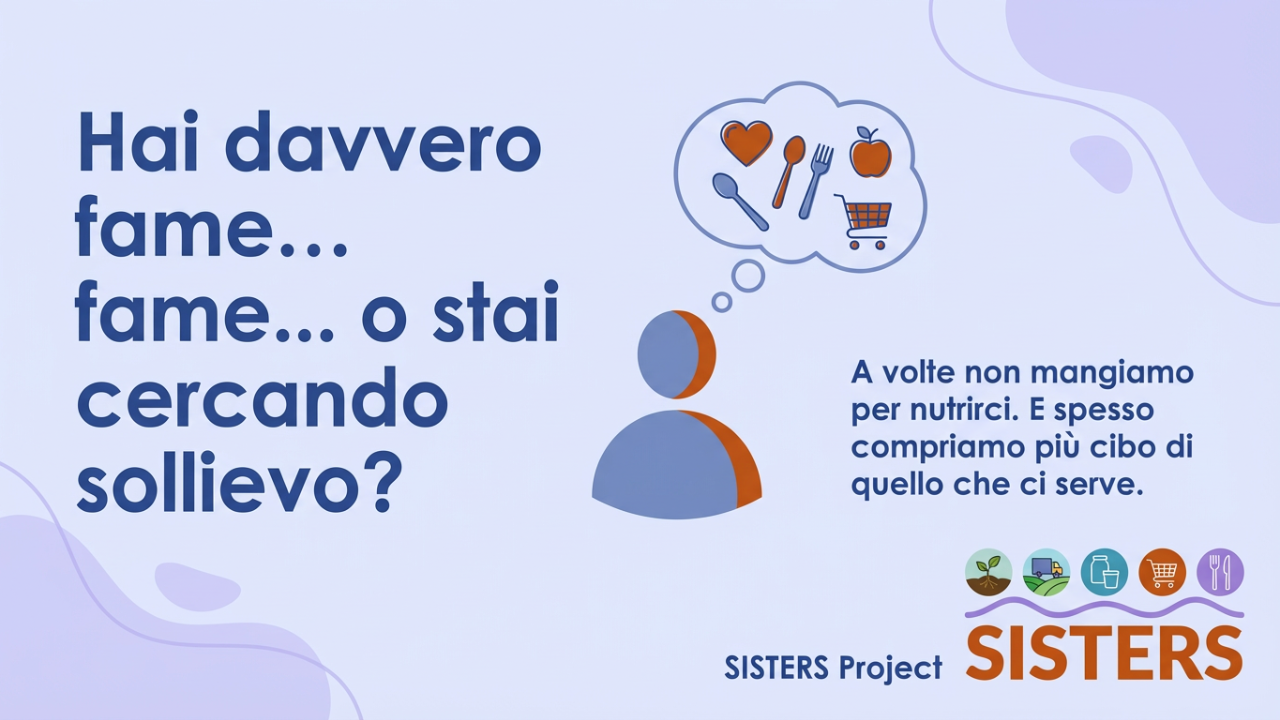
🇮🇹 VERSIONE ITALIANA
"La scienza dietro la fame emotiva e il suo impatto sullo spreco alimentare"
Quando le emozioni guidano le nostre scelte alimentari, il cibo finisce spesso nel bidone prima ancora di essere consumato.
Introduzione: quella fame che non è fame
Ti è mai capitato di aprire il frigorifero senza avere davvero fame? Di riempire il carrello della spesa dopo una giornata stressante, per poi ritrovarti a buttare metà di quello che hai comprato?
Non sei solo. E non è una questione di forza di volontà.
La fame emotiva è un fenomeno ben documentato dalla ricerca scientifica: un impulso a mangiare che non nasce da un bisogno fisico di nutrimento, ma da emozioni come stress, ansia, noia o tristezza. E ha conseguenze dirette non solo sulla nostra salute, ma anche sullo spreco alimentare.
Cosa dice la scienza: il cervello sotto stress
Uno studio condotto dalla Harvard Medical School ha utilizzato la risonanza magnetica funzionale (fMRI) per osservare cosa accade nel cervello delle persone che mangiano in risposta alle emozioni.
I risultati sono illuminanti:
Chi mangia per motivi emotivi mostra livelli di cortisolo (l'ormone dello stress) significativamente più elevati rispetto a chi non lo fa
Durante lo stress, le aree cerebrali legate alla ricompensa (come il nucleus accumbens) mostrano un'attivazione ridotta
Questa "ipoattivazione" potrebbe spingere la persona a cercare cibo come tentativo di normalizzare il sistema di ricompensa
In altre parole: quando siamo stressati, il nostro cervello cerca una compensazione. E il cibo, soprattutto quello ricco di zuccheri e grassi, attiva gli stessi circuiti cerebrali coinvolti nelle dipendenze.
Il comfort food: perché ci attrae così tanto?
Secondo Psychology Today, ci sono almeno cinque ragioni per cui cerchiamo i cosiddetti "comfort food":
Attivazione del sistema di ricompensa: cibi ricchi di grassi, zuccheri e sale stimolano il rilascio di dopamina, generando una sensazione temporanea di piacere
Automedicazione emotiva: in stati d'animo negativi, tendiamo a scegliere cibi poco salutari come meccanismo di coping
Bisogno di appartenenza: associamo certi cibi a momenti di famiglia, sicurezza, affetto
Nostalgia: gli odori e i sapori evocano ricordi emotivi intensi
Occasioni speciali: ci concediamo "eccezioni" che poi diventano abitudini
Il problema? Questi cibi raramente risolvono il disagio emotivo. Anzi, spesso lo amplificano — generando sensi di colpa che alimentano un nuovo ciclo di stress.
Il legame nascosto: fame emotiva e spreco alimentare
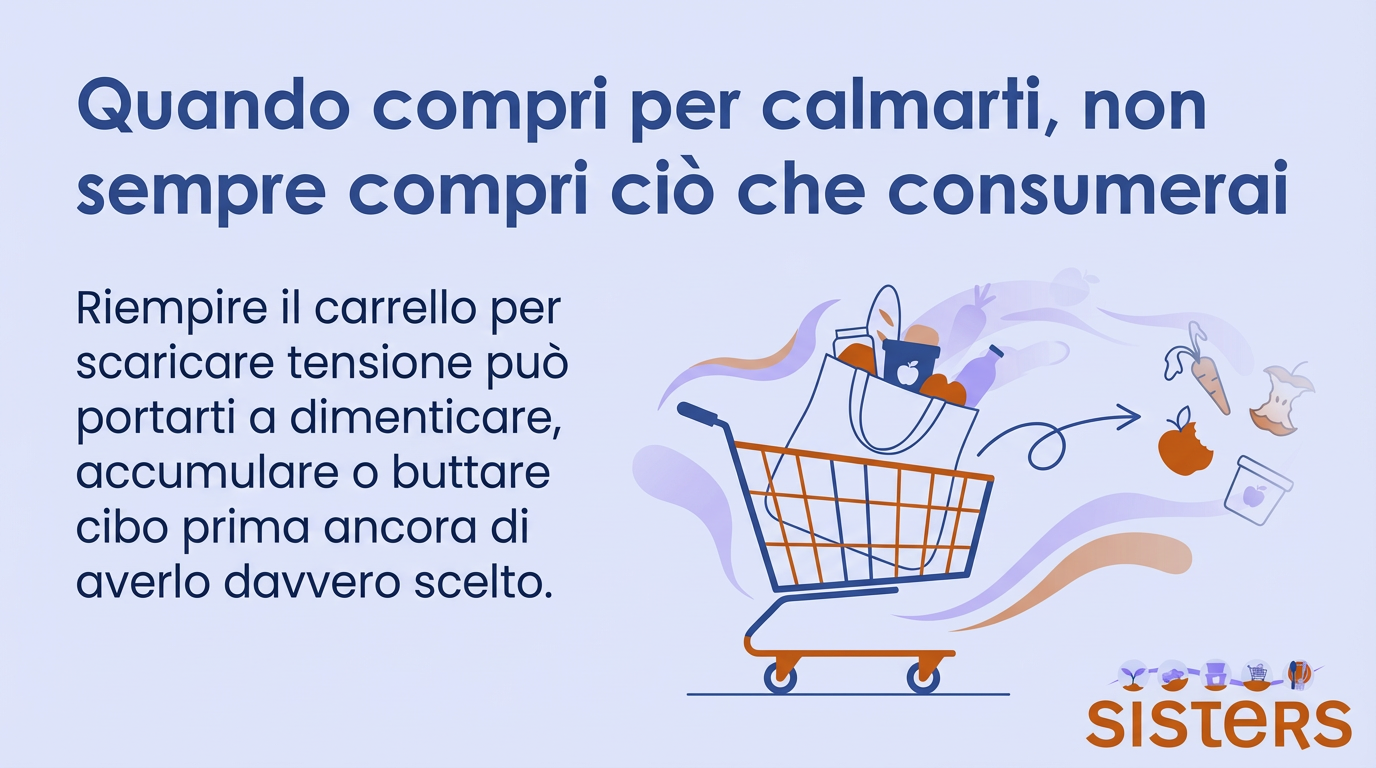
Ecco dove il cerchio si chiude: quando facciamo la spesa sotto stress:
Compriamo d'impulso, senza una lista o un piano
Scegliamo più cibo del necessario, spinti dal bisogno di "riempire un vuoto"
Dimentichiamo cosa abbiamo già in frigo o dispensa
Non consumiamo tutto quello che abbiamo comprato
Il risultato? Cibo che finisce nella spazzatura prima ancora di essere stato davvero scelto.
Secondo i dati del progetto SISTERS, finanziato dall'Unione Europea, fino al 27% dello spreco alimentare potrebbe essere ridotto intervenendo sui comportamenti dei consumatori nella fase di acquisto e consumo.
Cosa possiamo fare: 3 strategie pratiche
1. Riconosci il segnale
Prima di mangiare, fermati e chiediti: "Ho davvero fame o sto cercando altro?" Se la risposta è incerta, prova ad aspettare 10 minuti. La fame fisica persiste; quella emotiva spesso passa.
2. Pianifica la spesa
Il meal planning non è solo organizzazione: è uno strumento di regolazione emotiva. Quando sai già cosa mangerai, riduci le decisioni impulsive e gli acquisti inutili.
3. Usa strumenti di consapevolezza
Il progetto SISTERS sta sviluppando etichette intelligenti con QR code che forniscono informazioni su origine, conservazione e impatto ambientale dei prodotti. Più informazioni hai, più le tue scelte diventano consapevoli.
Conclusione: mangiare con consapevolezza significa anche sprecare meno La fame emotiva non è una colpa. È un segnale. Imparare a riconoscerla non significa reprimerla, ma capirla e trovare risposte più adatte ai nostri bisogni reali.
Quando smettiamo di usare il cibo come unica valvola di sfogo, iniziamo a comprare meglio, conservare meglio, sprecare meno.
E questo fa bene a noi, al pianeta e al nostro portafoglio.
💬 E tu? Ti è mai capitato di comprare cibo per stress e poi non consumarlo? Raccontacelo nei commenti.
Questo articolo è stato realizzato nell'ambito del progetto SISTERS, finanziato dal programma Horizon 2020 dell'Unione Europea (Grant Agreement No. 101037796). I contenuti riflettono esclusivamente il punto di vista degli autori e la Commissione Europea non può essere ritenuta responsabile dell'uso che potrebbe essere fatto delle informazioni contenute.
Fonti:
Holsen, L.M. et al. (2022). Stress-induced alterations in HPA-axis reactivity and mesolimbic reward activation in individuals with emotional eating. Appetite.
Harvard Brain Science Initiative. Probing the Neurobiology of Emotional Eating.
Psychology Today. 5 Reasons Why We Crave Comfort Foods.
Progetto SISTERS – Horizon 2020
________________________________________
🇬🇧 ENGLISH VERSION
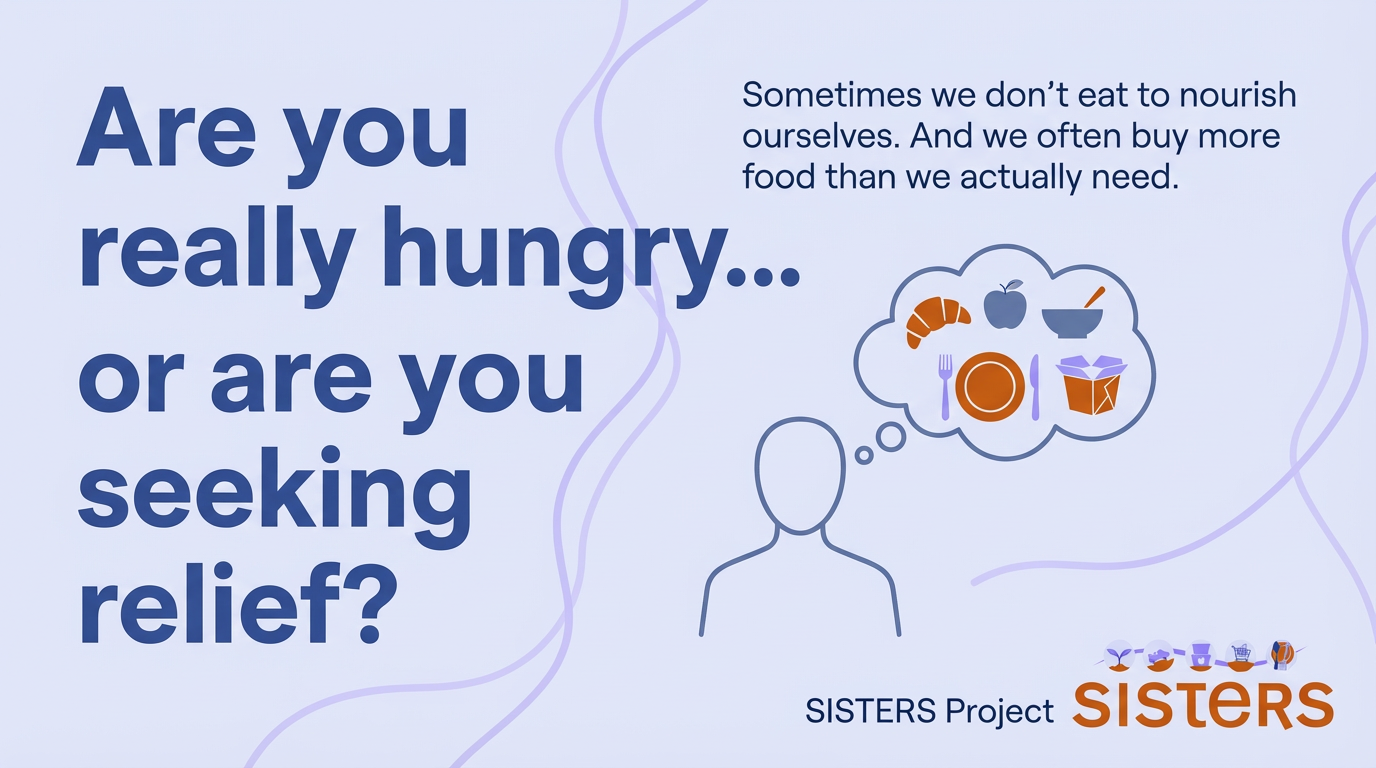
Are You Really Hungry… or Are You Seeking Relief?
The Science Behind Emotional Eating and Its Impact on Food Waste
When emotions drive our food choices, groceries often end up in the bin before they're ever consumed.
Introduction: The hunger that isn't hunger
Have you ever opened the fridge without really being hungry? Filled your shopping cart after a stressful day, only to throw away half of what you bought?
You're not alone. And it's not about willpower.
Emotional eating is a well-documented phenomenon in scientific research: an urge to eat that doesn't stem from a physical need for nourishment, but from emotions like stress, anxiety, boredom, or sadness. And it has direct consequences not only on our health but also on food waste.
What science tells us: The brain under stress
A study conducted at Harvard Medical School used functional magnetic resonance imaging (fMRI) to observe what happens in the brains of people who eat in response to emotions.
The findings are illuminating: Emotional eaters show significantly higher cortisol levels (the stress hormone) compared to non-emotional eaters
During stress, brain regions linked to reward processing (such as the nucleus accumbens) show reduced activation
This "hypoactivation" may drive individuals to seek food as an attempt to normalize the reward system
In other words: when we're stressed, our brain seeks compensation. And food, especially food high in sugar and fat activates the same brain circuits involved in addiction.
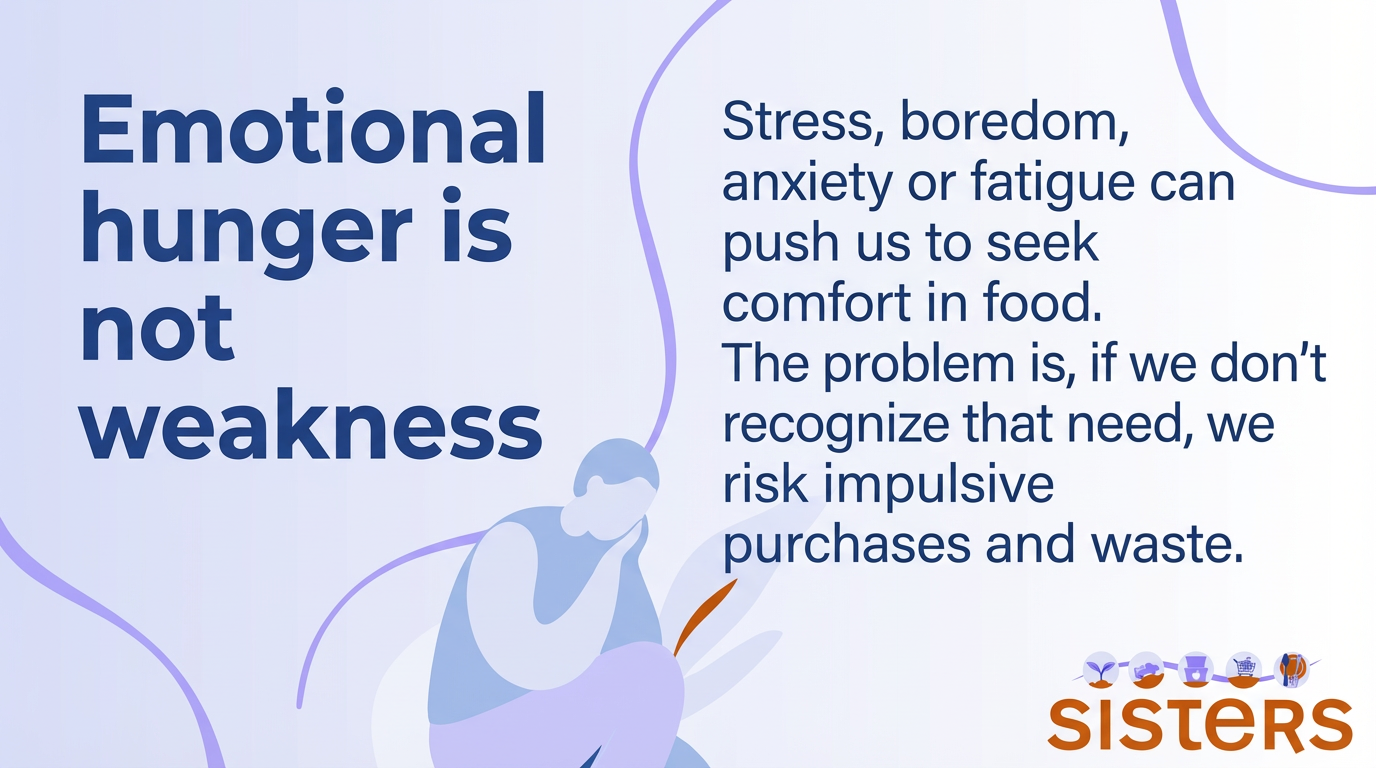
Comfort food: Why are we so drawn to it?
According to Psychology Today, there are at least five reasons why we seek so-called "comfort foods":
Reward system activation: Foods high in fat, sugar, and salt stimulate dopamine release, generating a temporary feeling of pleasure
Emotional self-medication: In negative mood states, we tend to choose unhealthy foods as a coping mechanism
Need for belonging: We associate certain foods with family moments, safety, affection
Nostalgia: Smells and flavors evoke intense emotional memories
Special occasions: We allow ourselves "exceptions" that then become habits
The problem? These foods rarely resolve emotional distress. In fact, they often amplify it — generating guilt that fuels a new cycle of stress.
The hidden connection: Emotional eating and food waste
This is where the circle closes. When we shop under stress:
We buy impulsively, without a list or plan
We choose more food than necessary, driven by the need to "fill a void"
We forget what we already have in the fridge or pantry
We don't consume everything we've purchased
The result? Food that ends up in the trash before it was ever truly chosen.
According to data from the SISTERS project, funded by the European Union, up to 27% of food waste could be reduced by addressing consumer behavior during the purchase and consumption phases.
What we can do: 3 practical strategies
1. Recognize the signal
Before eating, pause and ask yourself: "Am I really hungry, or am I looking for something else?" If the answer is uncertain, try waiting 10 minutes. Physical hunger persists; emotional hunger often passes.
2. Plan your shopping
Meal planning isn't just organization: it's a tool for emotional regulation. When you already know what you'll eat, you reduce impulsive decisions and unnecessary purchases.
3. Use awareness tools
The SISTERS project is developing smart labels with QR codes that provide information on origin, storage, and environmental impact of products. The more information you have, the more conscious your choices become.
Conclusion: Eating mindfully also means wasting less
Emotional eating is not a failure. It's a signal.
Learning to recognize it doesn't mean suppressing it, but understanding it and finding more appropriate responses to our real needs.
When we stop using food as our only outlet, we start buying better, storing better, wasting less.
And that's good for us, for the planet, and for our wallets.
💬 What about you? Have you ever bought food out of stress and then not consumed it? Tell us in the comments.
This article was produced as part of the SISTERS project, funded by the European Union's Horizon 2020 Research and Innovation programme (Grant Agreement No. 101037796). The content reflects only the authors' views, and the European Commission cannot be held responsible for any use made of the information contained herein.
Sources:
Holsen, L.M. et al. (2022). Stress-induced alterations in HPA-axis reactivity and mesolimbic reward activation in individuals with emotional eating. Appetite.
Harvard Brain Science Initiative. Probing the Neurobiology of Emotional Eating.
Psychology Today. 5 Reasons Why We Crave Comfort Foods.
SISTERS Project – Horizon 2020
Gli esperti di Emotifood possono aiutarti a migliorare il tuo rapporto con cibo, corpo ed emozioni.
Scopri il nuovo percorso Nutrimind
